Best Film Stocks for Nature Photography (35mm Film Guide for Outdoor Photography)
Film photography and nature go hand in hand, but choosing the right film stock can completely change how your photos feel. Certain films handle light, color and contrast better than others. In this guide, I will break down the best film stocks for nature photography and how they actually perform outdoors.
The Best 35mm film for nature photography, from black and white to color, and those with the most consistent results are outlined for you in this guide
↓ Save this guide for your next hike ↓
ILFORD XP2 FILM
When you go into almost any photography shop, you can guarantee that they will have Ilford film in stock. The Ilford XP2 is especially unique because it uses C-41 chemistry. Most black and white films require special chemistry for developing. This one does not, it uses the same chemistry as color film (C-41).
The Ilford XP2 35mm film is especially eye-catching with nature photography when it comes to high contrast light. The images below were shot with the sun in the background, letting the highlights come to life, and the blacks hold this nice space where they have this subtle-punch that really makes the image pop.
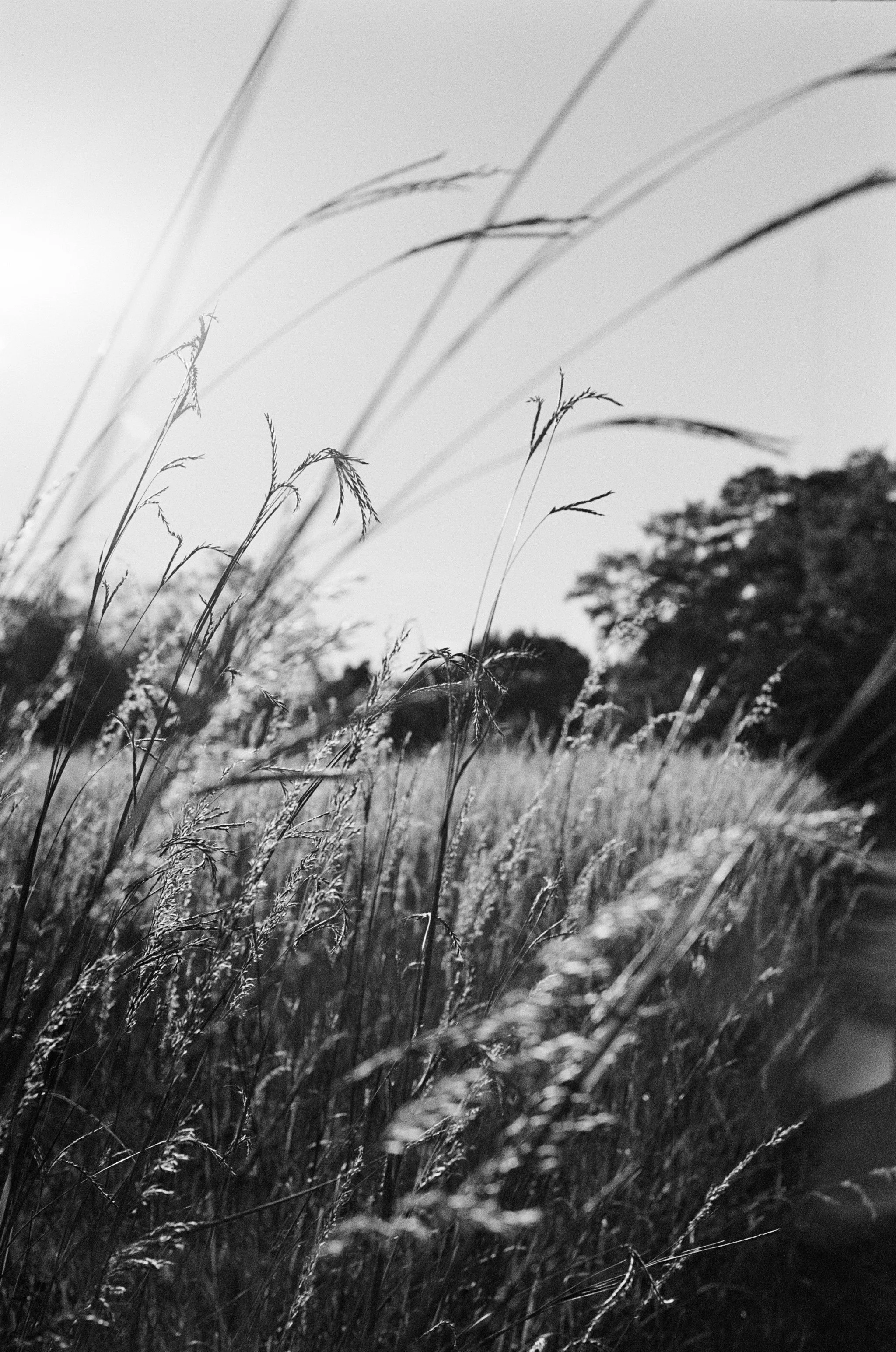
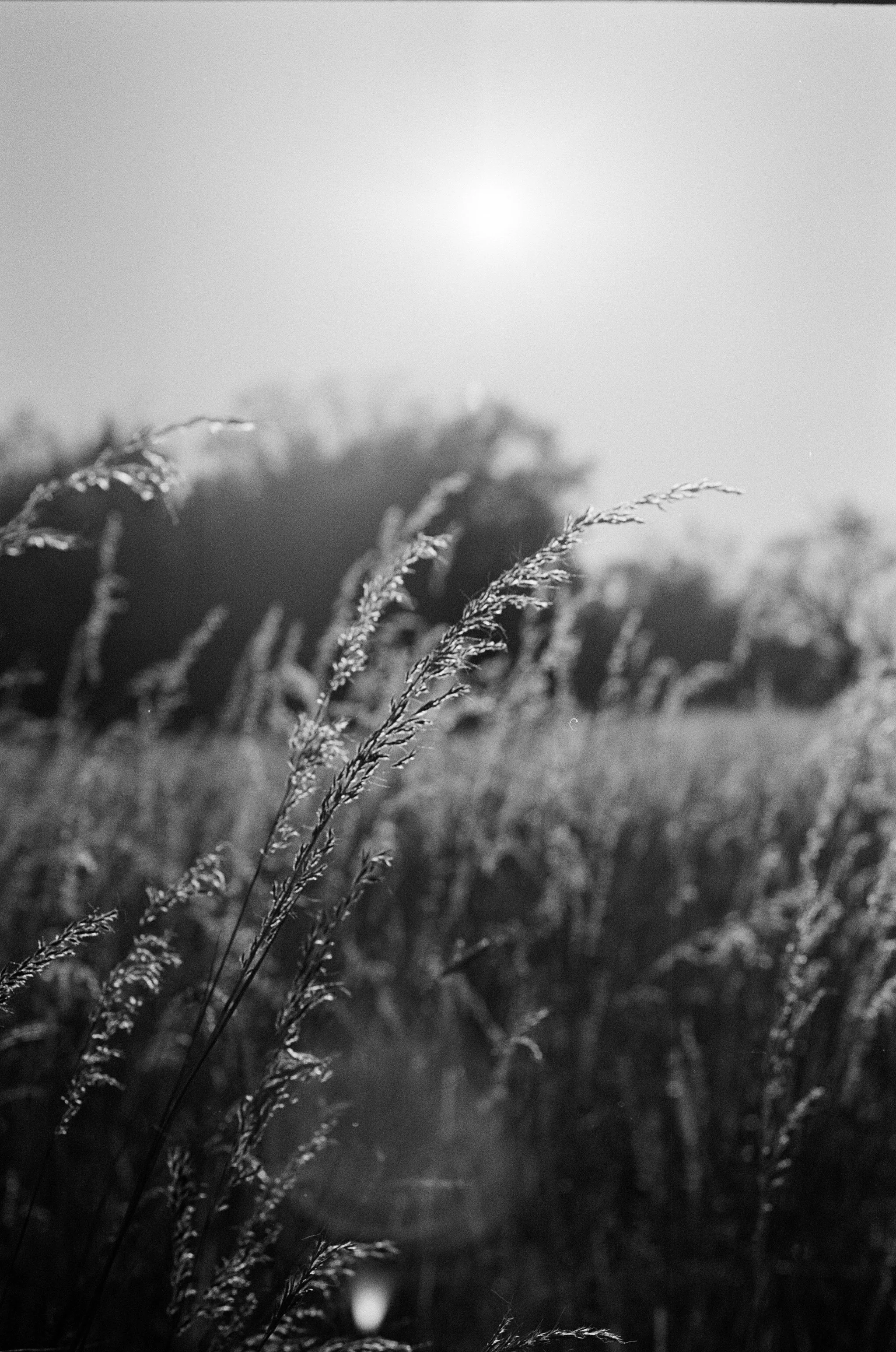
Black and white film is such a classic way of photographing nature. Because of this film’s chemistry, it does have its own modern-twist with a classic look.
HARMAN PHOENIX COLOR FILM
Fuiji Velvia and Kodak Gold are at the top of the list when it comes to film stock for nature photography, mostly because of their legacy and reputation.
The 35mm Harman Phoenix Color Film is newer to the market. In 2005, Harman Technology acquired Ilford Photo (which has been around just as long as Kodak, but was widely known for their black and white). This color film came to the market in December 2023, Harman’s first ever color film.
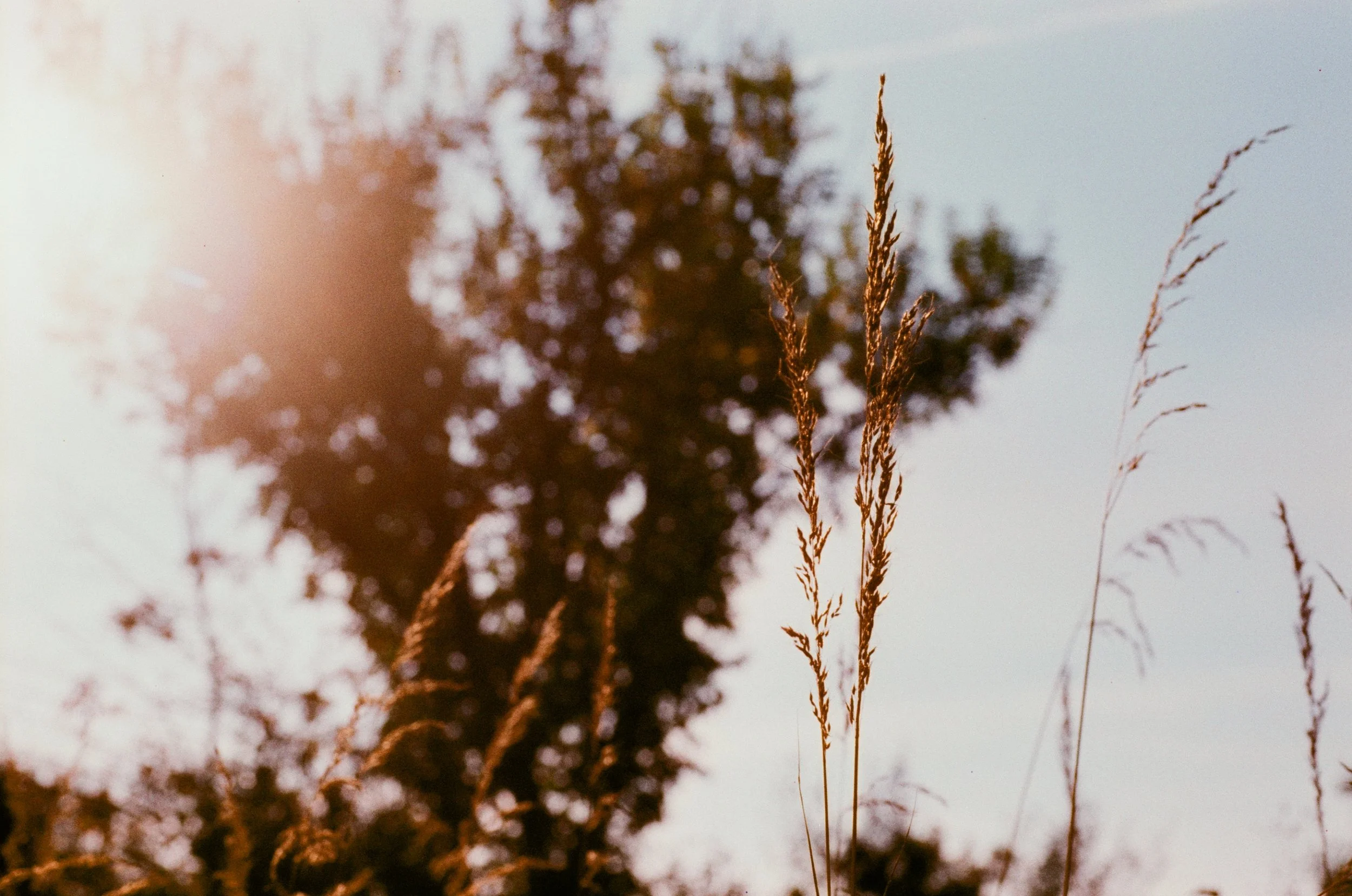
The best way that I can describe this film is, when you are shooting into the sun it feels “rosy” they highlights are a vibrant, yet subtle rosy color. Making it very nice for sunset photos.
Greens on the other hand, in the shadows are a totally different vibe. They are so vibrant in the highlights they almost pop out of the frame.
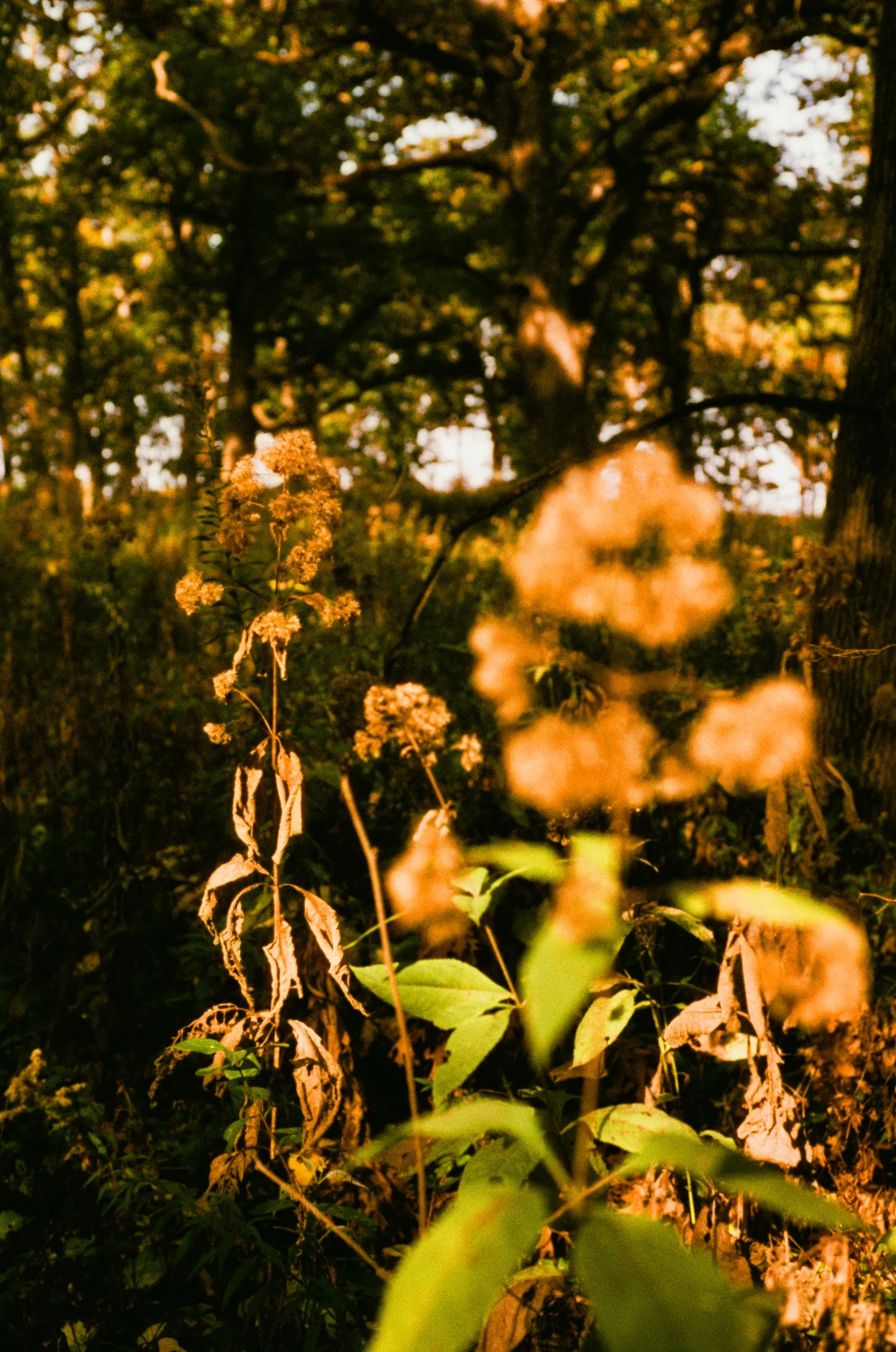
I wanted to add this film to the ‘best of list’ because it has some interesting colors here on a level that the classics don’t reach. This Harman Phoenix Color film beats to its own drum.
KODAK PORTRA FILM
Kodak Portra 400 Film is a classic for a reason. It is the most natural-looking color film ever made. Soft, Natural and Warm is the best way to describe it, and it will work well in almost every type of weather condition.
It is a very forgiving film, so if you don’t expose it exactly how you want it, it is likely it will still turn out fine.
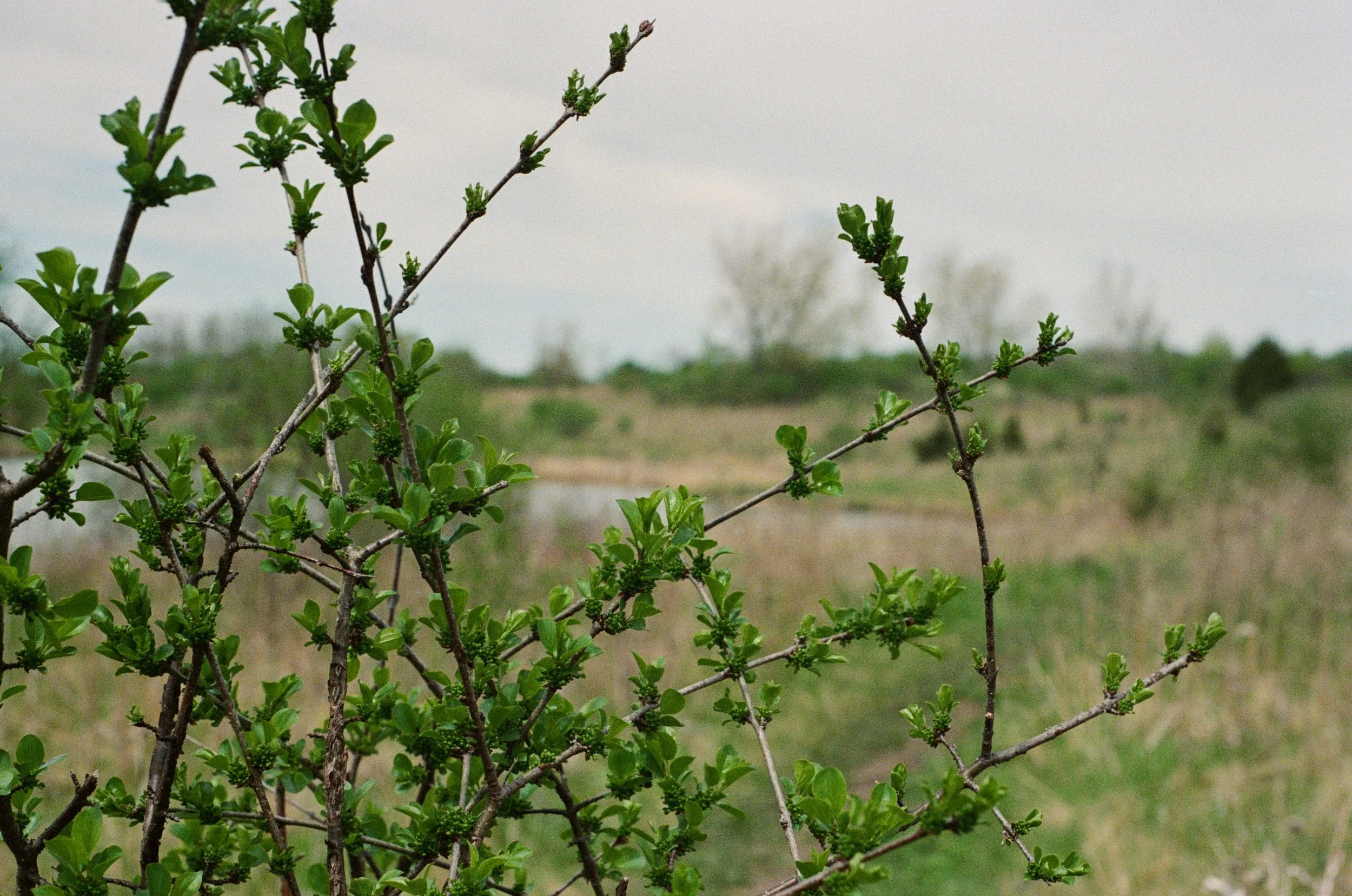
Kodak Porta initially came to the market in 1998, but was completely re-designed and came to the market as we all know it today in 2010-2011.
If there is one film stock that you should always have in your back pocket for nature photography, this is it.
KODAK GOLD FILM
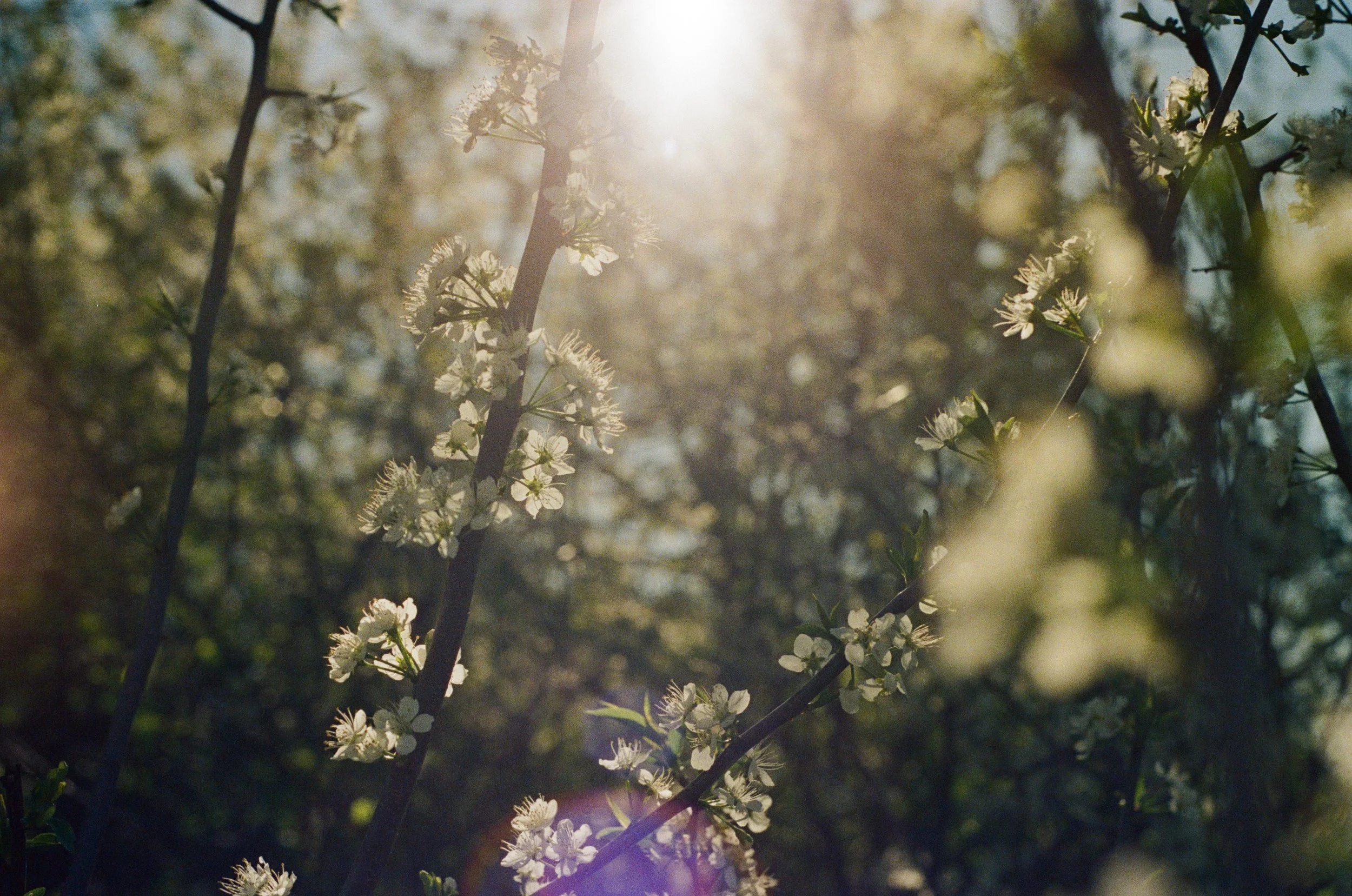
Kodak Gold 200 Film has been around since the late 1800s. It is balanced for natural sunlight (around 5500K). Because this film has such a long track record in photography history what you get from it is consistency and accurate exposure in bright conditions.
I personally love the way it makes sunsets glow! This photo was captured with Kodak Gold 200 Film looking directly into the sun, at sunset with the Kodak Ultra F9. I know that lens flare can be a big no-no in photography, but here it feels like a big YES!
FUIJI 400 FILM
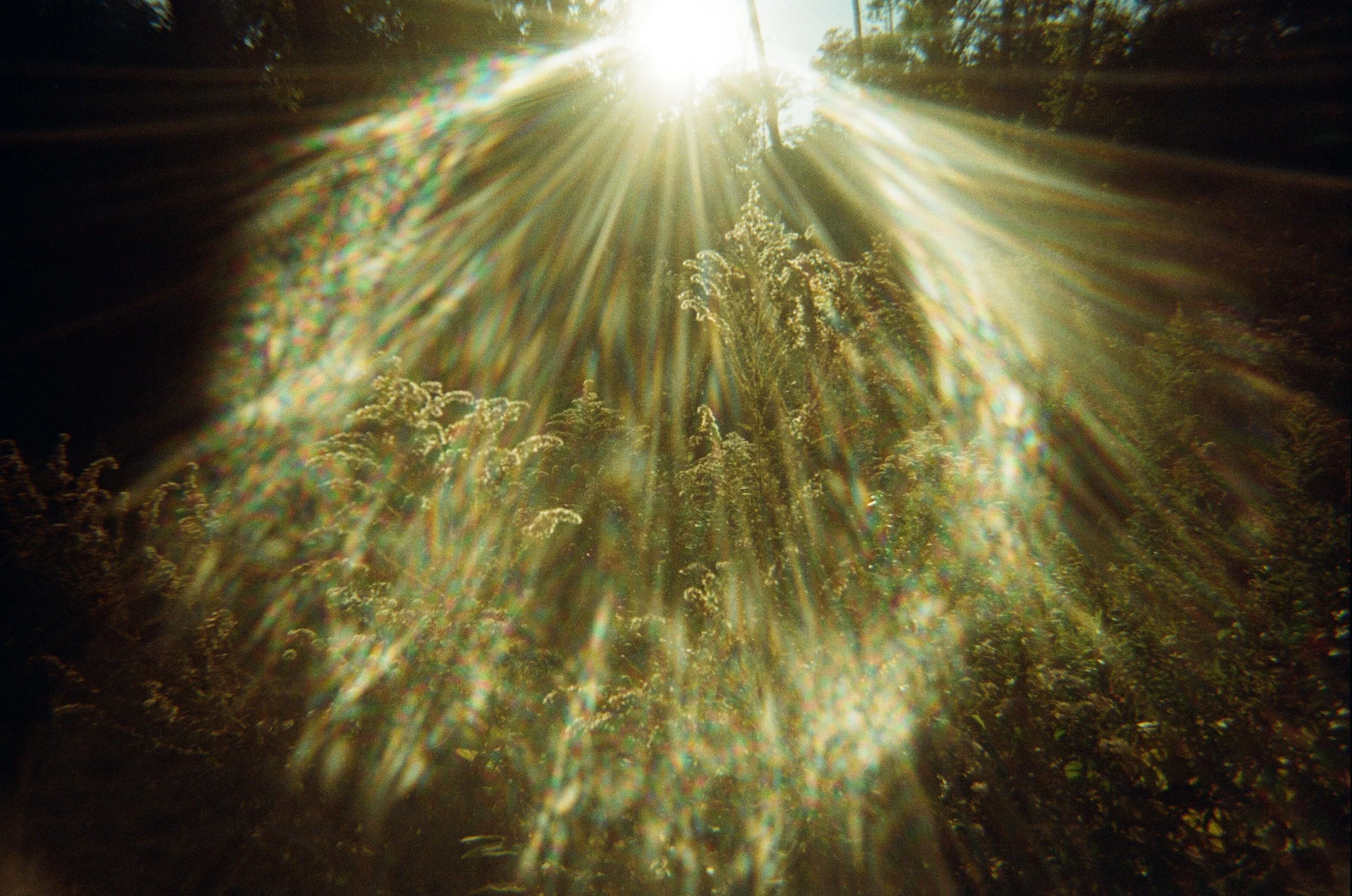
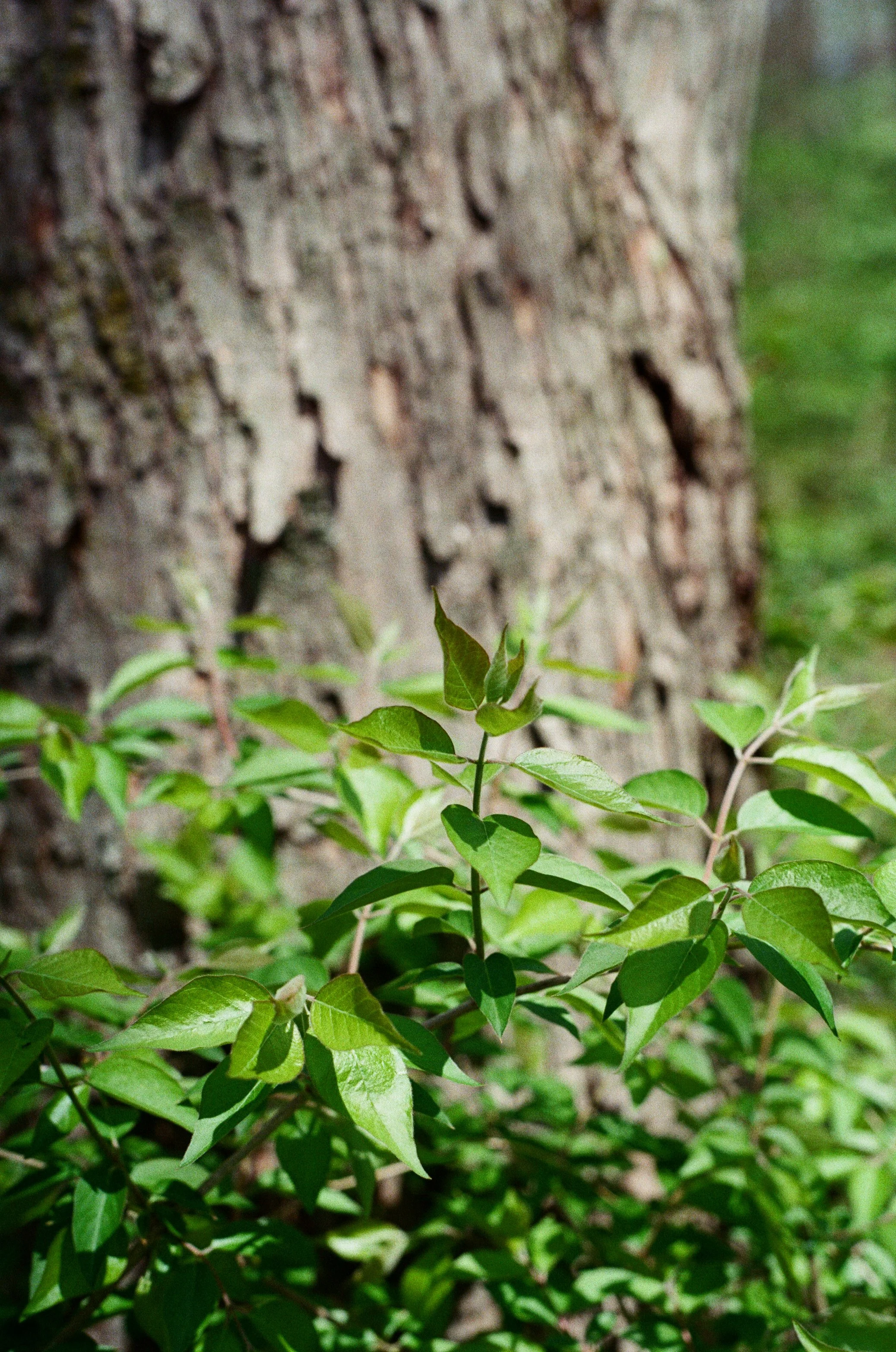
One film that you cannot possibly ignore when it comes to photographing nature is Fuiji 400. This is because they are so well-known for their color richness, ESPECIALLY with green!
I saved this one for last, because it might just be my favorite overall because of its cool, punchy and vibrant vibe. This film feels more like it is living in the moment, than a nostalgic memory, and isn’t that enough to make you want to get outside?!

Timeline wise, this film almost matches Kodak Portra. It was initially produced in 1998, and was reformulated in the early 2000s similarly to what we see today.

Save this post to Pinterest so you remember which film to bring next time you’re outside.
FREQUENTLY ASKED QUESTIONS
Is ISO 400 good for outdoor photography?
Absolutely! ISO 400 is a middle of the road film speed. With ISO 800, that is more for action, and not necessarily needed for nature photography. ISO 200 will also work well, but with ISO 400 you are right in the middle, right where you want to be especially if you are a beginner when it comes to film photography.
What film is most forgiving for beginners?
Kodak Gold, Kodak Portra and Fuji 400 is what I would recommend here. These brands with these particular chemistry have a long track record of nice consistent results. One thing you will always want to keep in mind, make sure you read what the box suggests, and apply that.
Is film similar to digital when it comes to exposure?
Not really. With film, it is important to over-expose your images 1-2 stops (check the box or look online for more information about the film). This is because you really want the light that you let in to burn the negative.
Digital is a totally different ballpark, with most cameras you want to under-expose by 1-2 stops. That makes digital the total opposite of film. This is because if you over-expose with digital, you burn out those highlights, and that is not a detail that you can get back when you go to edit it. You can always pull shadows, but you can’t pull highlights (when they are gone!).